
Trending
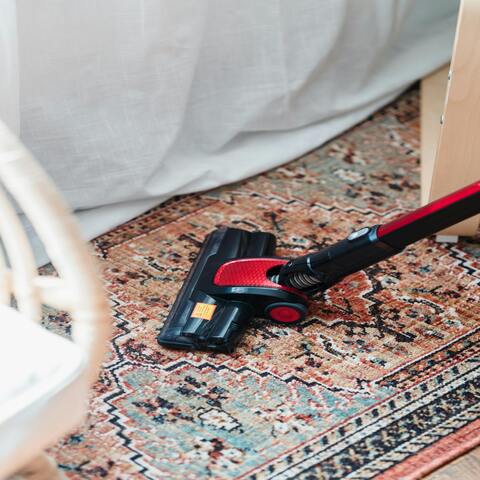
Uncover the truth behind myths about Cleaning Persian Rugs. Learn safe, effective care tips for your Persian Rugs from Afra Rugs experts.
Introduction: Why Rug Cleaning Myths Persist
Many people feel unsure about how to clean their rug. Many people worry that washing or vacuuming might damage their treasured Persian carpet. You may have heard advice like, ‘Never use water,’ or warnings that ‘A vacuum can damage the fibers.’ The enduring beauty of Persian Rugs their intricate designs, natural dyes, and centuries-old artistry keeps these myths alive.
But here’s the truth: Cleaning Persian Rugs the right way actually extends their life and beauty. The real challenge is distinguishing myth from fact.
This article explores the most common misconceptions about Cleaning Persian Rugs. We’ll separate fact from fiction and offer practical tips to care for your rug while preserving its beauty and value. Proper care ensures that both deep red heirlooms and modern Oriental rugs stay vibrant and beautiful for generations.
Let’s distinguish fact from the common misconceptions that surround rug care.
Powered by RedCircle
Myth vs. Reality What Makes a Persian Rug Unique
Before we tackle cleaning myths, it helps to understand what makes Persian Rugs so special. True Persian carpets are carefully woven masterpieces. They often display geometric patterns, a central medallion, and vibrant colors created with natural dyes.
The construction of a rug is equally important. Knot density plays a key role in a rug’s construction, influencing how detailed and long_lasting it will be. A higher knot density produces a smoother, more detailed rug, affecting both dust accumulation and the best cleaning approach.
Most Persian and Oriental rugs use quality materials such as bamboo silk or cotton blends. These require gentle handling _ not the kind of harsh chemicals used for synthetic carpets.
Key Features That Affect Cleaning Persian Rugs
| Feature | Description | Impact on Cleaning |
|---|---|---|
| Knot Density | Number of knots per square inch | Higher density means more delicate handling required |
| Dye Type | Natural or synthetic dyes | Natural dyes may bleed if exposed to harsh detergents |
| Patterns | Central medallion, floral, geometric patterns | Complex patterns need careful rinsing to prevent uneven fading |
| Fiber Type | Silk, bamboo silk, cotton | Different fibers require specific moisture and drying levels |
| Age | New vs. 19th century rugs | Older rugs are more fragile and may need professional cleaning |
Table: Factors influencing the care and maintenance of Cleaning Persian Rugs
Common Myths About Cleaning Persian Rugs
Here, we address the most common myths about Cleaning Persian Rugs that persist among rug owners and some cleaning services.
1. Vacuuming Persian Rugs Must Be Done Carefully.
False. Vacuuming is not the enemy _ aggressive vacuuming is. Using a low-suction vacuum without a beater bar removes dust and grit safely. Vacuuming gently removes dust and protects your rug from embedded dirt.
2. Professional Cleaning Isn’t Necessary.
Incorrect. Even with careful home care, professional cleaning once every 12–18 months keeps fibers fresh and prevents long_term wear. Specialists use techniques tailored to Oriental rug cleaning, avoiding damage to delicate dyes.
3. Harsh Chemicals Work Best.
False. Harsh chemicals can strip away color, weaken fibers, and ruin natural dyes. Always choose gentle, pH-balanced solutions or consult experts before applying anything to your rug.
4. Regular Cleaning Is Necessary; Once Every Few Years Is Not Enough.
False. Dust, pollen, and pet dander accumulate faster than you think. Ideally, you should lightly clean your Persian Rugs a few times a year to prevent buildup.
5. Synthetic Dyes Don’t Need Special Care.
False. Synthetic dyes may resist fading, but they can still react badly to strong detergents or uneven drying. Each Persian carpet requires gentle, consistent care.
6. Proper handling affects water damage to rugs.
False. While over-saturation is harmful, controlled moisture during a cleaning process is safe when done properly. Blotting spills with a damp cloth is essential for preventing stains.
List: Common Myths About Cleaning Persian Rugs
- Never vacuum your rug
- Professional cleaning isn’t necessary
- Harsh chemicals clean better
- Once every few years cleaning is enough
- Synthetic dyes don’t need care
- Water will always damage a rug
List: Persistent misconceptions about Cleaning Persian Rugs
The Right Way to Clean Your Rug
With the myths clarified, we can now examine the proper methods for cleaning a rug.
Step 1: Regular Vacuuming
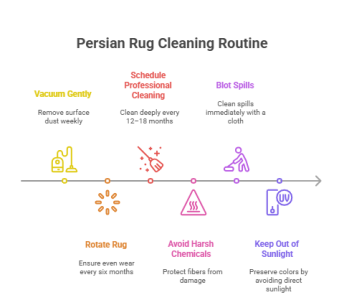
Use a gentle vacuum to remove dust weekly. Always vacuum in the direction of the fibers to avoid pulling them loose.
Step 2: Spot Cleaning
React promptly if you spill something. Gently blot the area with a slightly damp, white cloth, avoiding any rubbing. This method prevents color bleeding, especially in deep red or blue sections with natural dyes.
Step 3: Rotation
Rotate your rug every six months to balance out wear and sun exposure. This is especially helpful if your rug features a central medallion or geometric patterns, which can fade unevenly.
Step 4: Professional Cleaning
Schedule professional cleaning about once every 12–18 months. Expert cleaning services understand the delicate balance between moisture, soap, and air drying.
High_quality materials from Afra Rugs make maintaining your rug easy. Explore our Traditional Persian Rugs Collection for pieces that combine timeless elegance with easy care.
Preserving Beauty and Quality Over Time
A well_cared-for rug can outlast its owner _ some 19th century pieces still glow with rich colors today. Proper care helps preserve the art woven into every thread.
Avoid harsh chemicals, direct sunlight, and soaking. Instead, rely on mild cleansers, airflow, and consistency.
The cleaning process is not just about removing dirt; it’s about honoring craftsmanship. From the way natural dyes interact with light to the intricate knots forming every border, each detail deserves patience.
Routine care and occasional professional cleaning keep your rug’s quality materials soft and luminous. The focus should be on preservation rather than perfection.
FAQ: Common Questions About Cleaning Persian Rugs
1. What cleaning frequency is ideal for maintaining a Persian rug?
Vacuum weekly and arrange professional cleaning about once every 12–18 months. Performing light home care several times a year helps maintain the rug’s freshness and beauty.
2. What precautions should be taken if using carpet shampoo on a Persian rug?
No. Regular shampoos often contain harsh chemicals that can fade natural dyes or weaken fibers. Use gentle, rug-safe solutions only.
3. What is the recommended approach for safely removing deep stains from a Persian rug?
Blot gently and contact cleaning services specializing in Oriental rug cleaning. They can safely lift stains without harming the design.
4. How should a rug be dried safely after cleaning?
Partially. Hang small rugs briefly, but always dry large Persian Rugs flat to prevent stretching or warping.
5. What’s the best environment for a Persian rug?
Low humidity, moderate sunlight, and a clean floor beneath. These factors help protect quality materials and maintain bright natural dyes.
Conclusion: Myths Faded, Beauty Preserved
Many myths surround Cleaning Persian Rugs, but understanding the truth brings clarity. Proper care does more than clean a rug; it preserves its story and character. Every thread, every curve of a central medallion, carries artistry that deserves respect.
Preserve your rug’s colors and patterns by understanding its materials, avoiding strong chemicals, and consulting professional cleaners.
A rug is more than decoration; it carries woven history beneath your feet. Treat it gently, and it will reward you with timeless beauty.
─ Related Articles ─
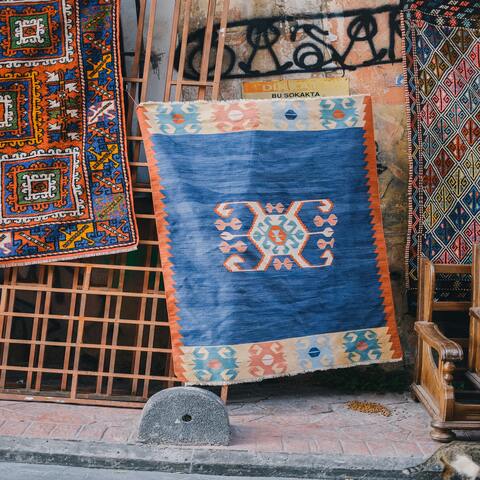
Persian Rug Runners for Hallways & Entrances
Discover how Persian rug runners transform hallways and entrances. Learn sizing, design, and layout tips...
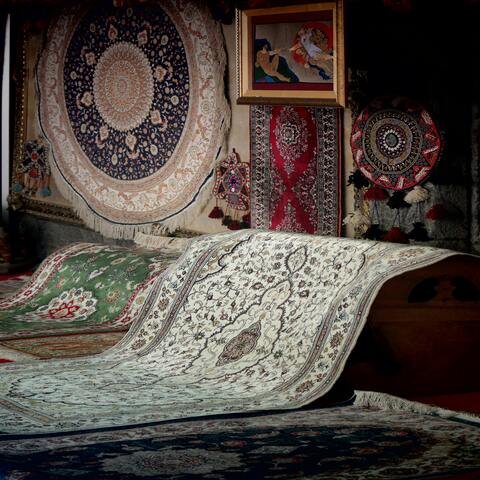
Green Persian Rugs: A Fresh Take on Traditional Style
Explore the beauty of Green Persian Rugs in traditional interiors. Find design tips and inspiration...
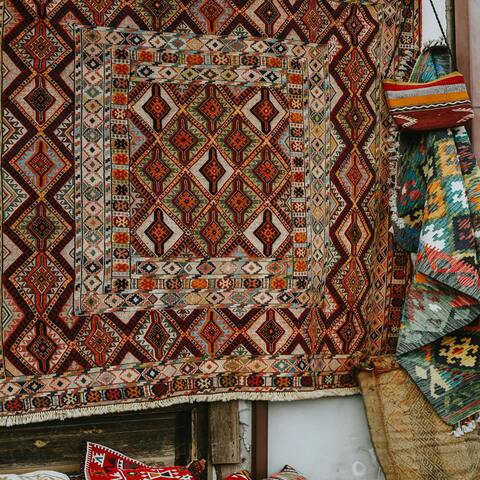
Vintage Persian Rugs: A Smart Long Term Investment?
Are Vintage Persian Rugs a smart long term investment? Discover how Persian Rugs, regional traditions,...
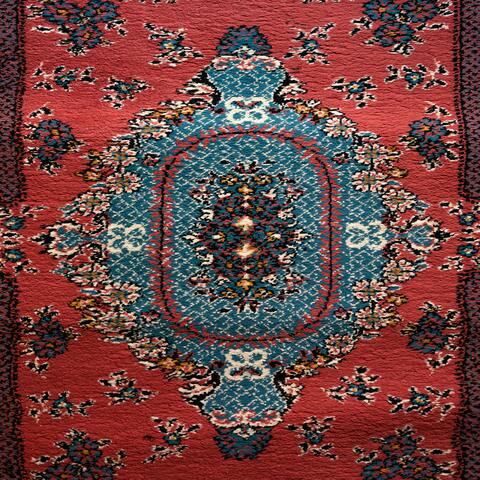
How to Choose the Perfect Large Persian Rug for Your Space
Learn how to choose the perfect large Persian rug for your home. Discover sizing, placement,...