
Trending
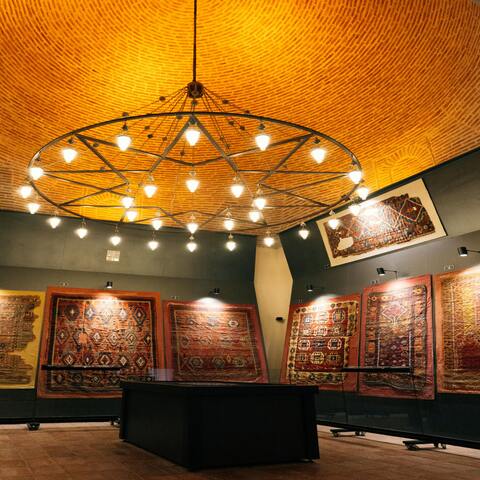
Decoding Heriz Rugs Persian Classic reveals why Heriz carpets remain celebrated within Persian style rugs and Persian area rug design.
Introduction
Some rugs whisper. Heriz rugs speak with confidence.
A Heriz carpet does not disappear into a room; it defines the space with clarity and balance. Its geometric patterns feel deliberate, its bold colors feel grounded, and its design reflects generations of tradition. Heriz rugs earned recognition as enduring icons of Persian style rugs well before modern design trends emerged.
Many people feel drawn to Heriz rugs without immediately understanding why. Maybe it’s the commanding central medallion. Maybe it’s the balance between structure and warmth. It may also be the sense that the rug possesses a clear identity that remains relevant over time.
This article decodes what makes Heriz rugs so distinctive. We’ll examine their roots in 19th century weaving traditions and explore the geometric designs that define them. We’ll also explain how Heriz and Serapi rugs earned recognition among the most respected Persian carpets. You’ll also discover why these rugs are valued not just for decoration, but for their enduring design influence.
Wondering why Persian Heriz rugs still shape interior design, or why they suit both dining rooms and galleries? This guide will explain.
Powered by RedCircle
Related articles:
Origins of Heriz Rugs and 19th Century Weaving Traditions
Heriz rugs trace their identity to a strong sense of structure and purpose. Among Persian carpets and oriental rugs, Heriz carpets stand out for their clear designs and strong architectural presence.
During the 19th century, Heriz rugs gained recognition for their distinctive approach to pattern and form. While many Persian rugs leaned toward flowing curves and intricate florals, Heriz weavers embraced geometry. Sharp angles, bold outlines, and deliberate symmetry became hallmarks of Heriz Persian rugs.
Weaving traditions played a central role in shaping this look. Designs were built to last visually, not to follow fleeting fashions. This enduring relevance explains why antique Heriz rugs remain admired today. Their patterns don’t rely on delicate detail alone; they rely on balance, strength, and repetition.
These rugs were celebrated because they felt dependable. A Heriz carpet didn’t just decorate a space it defined it. That sense of confidence carried Heriz rugs beyond their origins and into the global conversation around Persian style rugs.
Table: Key Characteristics of Persian Heriz Rugs Across Time
| Feature | Description |
| Historical Period | Strongly associated with the 19th century |
| Design Structure | Bold geometric patterns with clear symmetry |
| Focal Element | Prominent central medallion |
| Color Approach | Bold colors created with natural dyes |
| Design Legacy | Influenced Heriz and Serapi rugs worldwide |
Table: Defining traits of Persian style rugs through the Heriz tradition
Heriz Rugs Design: Geometry, Medallions, and Natural Dyes
The design language of Heriz rugs is unmistakable. You can spot a Heriz rug from across a room, and that’s no accident.
At the heart of many Persian Heriz rugs sits a commanding central medallion. This medallion doesn’t float softly it stands firm, often shaped with sharp angles and stepped edges. Around it, geometric designs unfold in a rhythm that feels both structured and expressive.
Geometric patterns are the soul of Heriz rugs design. Diamonds, angular vines, and bold borders create visual movement without chaos. Everything has a place. Everything feels intentional.
Color plays an equally important role. Heriz rugs are known for bold colors that feel grounded rather than loud.
Deep reds, rich blues, and warm earth tones appear frequently, brought to life through traditional natural dyes. These colors don’t shout. They resonate.
This balance between strength and harmony explains why Heriz rugs are celebrated. They offer clarity in a world that often feels visually cluttered. When placed among other Persian carpets, Heriz rugs bring a sense of order that’s deeply appealing.
List: Defining Features of Persian Heriz Rugs Design
- Strong geometric patterns instead of flowing curves
- A large, confident central medallion
- Bold colors balanced by structured layouts
- Designs rooted in long standing weaving traditions
- A visual language that feels timeless rather than trendy
List: Key elements that define Persian area rug design through Heriz patterns
Heriz and Serapi Rugs: Persian Classics That Endure
Heriz and Serapi rugs often appear in the same conversation, and for good reason. Both share a visual strength that sets them apart from other Persian style rugs.
Serapi carpets are sometimes viewed as a refined extension of Heriz carpets. They share the same geometric backbone but often feel slightly more spacious in layout. Borders may open up. Medallions may stretch wider. The relationship between the two styles feels more like a dialogue than a distinction.
What unites Heriz and Serapi rugs is their commitment to clarity. These rugs don’t rely on overly dense ornamentation. Instead, they trust strong shapes, balanced proportions, and confident color choices.
This is why these rugs are celebrated across generations. Trends may shift toward minimalism or maximalism, but Heriz Persian rugs sit comfortably in both worlds. They can ground a modern interior design scheme just as easily as they can enrich a traditional setting.
Within the larger family of Persian carpets, Heriz rugs continue to influence how designers think about scale, symmetry, and visual impact.
Heriz Rugs in Interior Design Today
Despite their deep historical roots, Heriz rugs feel surprisingly modern.
In contemporary interior design, designers often look for pieces that bring warmth without clutter. Heriz rugs answer that need beautifully. Their geometric patterns add structure, while their bold colors bring life to a space.
A Persian Heriz rug works especially well in a dining room, where strong shapes help anchor furniture and define the area. The central medallion often aligns naturally beneath a table, creating a sense of balance that feels effortless.
These rugs also thrive in open plan spaces. Their confident designs help organize large rooms without overwhelming them. That’s why many people exploring Persian style rugs gravitate toward Heriz carpets they feel dependable, grounded, and timeless.
If you’re drawn to this enduring aesthetic, you may enjoy exploring our Traditional Persian Rugs Collection, where classic design influences meet modern living.
FAQ
What makes Persian Heriz rugs different from other Persian style rugs?
Persian Heriz rugs stand out for their strong geometric patterns, bold colors, and prominent central medallion. They favor structure over delicate curves.
Are Heriz rugs considered Persian classics?
Yes. Heriz rugs are widely celebrated as Persian classics, especially due to their influence during the 19th century and their lasting design appeal.
How do Heriz and Serapi rugs relate to each other?
Heriz and Serapi rugs share similar geometric foundations. Serapi carpets often feel more open in design, while Heriz rugs appear more compact and bold.
Why are Heriz rugs popular in interior design today?
Their structured patterns and balanced colors make them easy to integrate into modern interior design, especially in dining rooms and large spaces.
Do Heriz rugs work well as a Persian area rug?
Absolutely. A Heriz rug functions beautifully as a Persian area rug, providing visual structure and warmth without overwhelming a room.
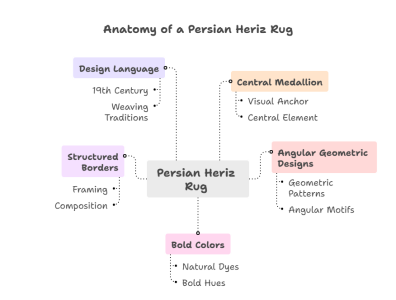
Infographic: The Anatomy of a Persian Heriz Rug
Conclusion
Heriz rugs don’t chase attention. They earn it.
Through bold geometry, confident medallions, and time-tested weaving traditions, Heriz carpets have secured their place among the most celebrated Persian style rugs. They offer something rare a design that feels strong without feeling rigid, expressive without excess.
From their 19th century roots to their continued presence in modern interior design, Persian Heriz rugs remind us that clarity never goes out of style. Whether anchoring a dining room or defining a living space, these rugs bring balance, warmth, and quiet authority.
If you’re inspired by the enduring charm of Persian classics, take a moment to explore our Traditional Persian Rugs Collection and discover designs that echo this timeless spirit crafted for contemporary living, yet rooted in tradition.
─ Related Articles ─
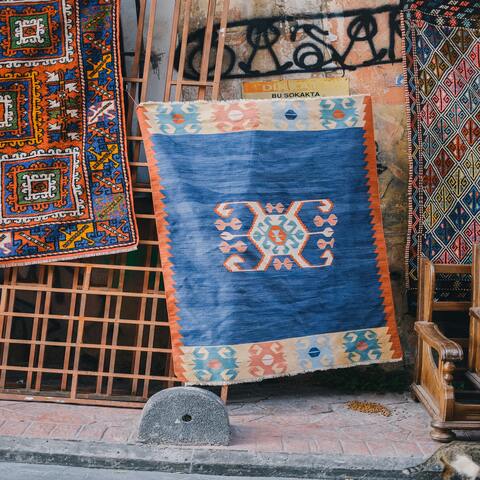
Persian Rug Runners for Hallways & Entrances
Discover how Persian rug runners transform hallways and entrances. Learn sizing, design, and layout tips...
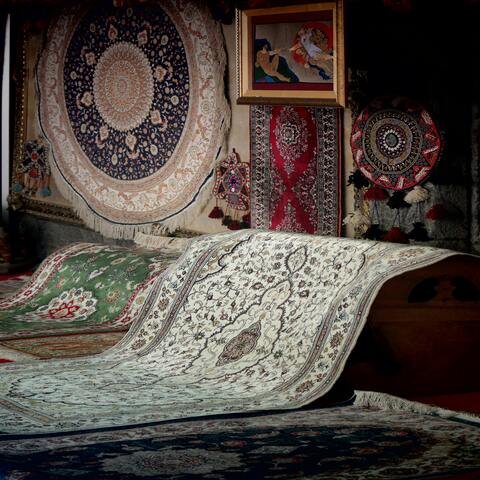
Green Persian Rugs: A Fresh Take on Traditional Style
Explore the beauty of Green Persian Rugs in traditional interiors. Find design tips and inspiration...
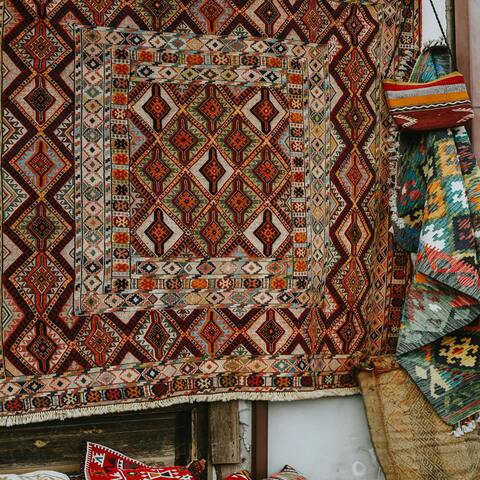
Vintage Persian Rugs: A Smart Long Term Investment?
Are Vintage Persian Rugs a smart long term investment? Discover how Persian Rugs, regional traditions,...
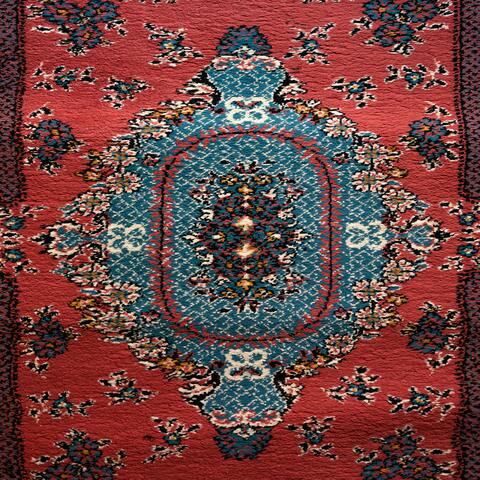
How to Choose the Perfect Large Persian Rug for Your Space
Learn how to choose the perfect large Persian rug for your home. Discover sizing, placement,...