
Trending
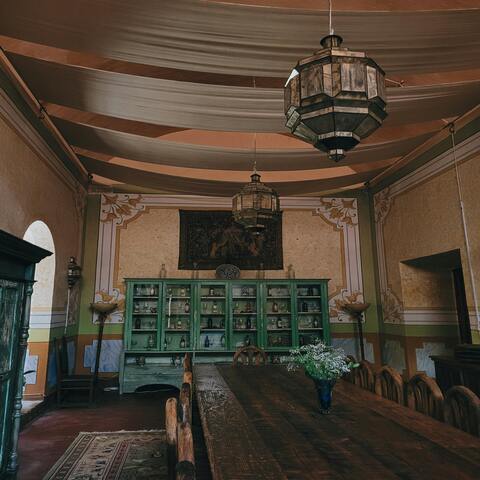
Persian Rugs bring timeless elegance to dining rooms explore their history, colors, patterns, and how to choose the perfect one.
Persian Rugs in the Dining Room: Elegance Underfoot
More than just a room for meals, the dining room is where people gather, share stories, and create enduring memories. Conversations linger after meals, celebrations take shape around shared dishes, and everyday moments quietly become lasting memories.
When people think about elevating this space, they often focus on tables, chairs, or lighting. Yet one element quietly shapes the entire mood beneath it all: the rug. Few elements convey the same richness, warmth, and timeless elegance as Persian Rugs in the dining room. An antique Persian rug adds both beauty and a connection to centuries of craftsmanship and tradition.
A well-chosen Persian rug does more than fill empty floor space. It grounds the room both visually and emotionally. It softens sound, adds warmth, and creates a sense of intention that furniture alone cannot achieve. For centuries, people have treated Persian Rugs as true works of art, carefully placed where daily life unfolds.
In dining rooms especially, these rugs frame the table like a stage, turning simple meals into moments that feel thoughtful, composed, and complete. The rich hues and intricate designs of an antique Persian rug make it a striking focal point, admired by all who enter the space.
Today, the appeal of Persian Rugs continues because they balance beauty with purpose. Their patterns draw the eye without overwhelming the space. Their colors, from deep red to ivory and blue, bring warmth, contrast, and harmony.
Their long history gives them a presence that feels calm, confident, and reassuring. Persian rugs, including antique varieties, remain a popular choice for creating dining rooms that feel refined and lived in.
This guide explains why Persian Rugs, including antique Persian rugs, are ideal for dining rooms, how their patterns and colors affect the atmosphere, and which classic styles continue to endure. You will also see how this tradition continues today, influencing modern interiors that value both beauty and practicality. If you feel drawn to timeless design, you may enjoy exploring our Traditional Persian Rugs Collection as you read.
Powered by RedCircle
Related articles:
Why Persian Rugs Belong in the Dining Room
Dining rooms have always carried a sense of formality, even in homes that favor a relaxed lifestyle. This space often feels more intentional than others because designers created it for gathering. Persian Rugs are perfectly suited to fulfill that role. Their structure, balance, and visual rhythm bring order to a room where movement, conversation, and shared experiences constantly unfold.
Historically, large rugs appeared in spaces meant for hosting and hospitality. During the 19th century, dining areas in well appointed homes often featured richly patterned rugs placed beneath long tables. These rugs did not exist simply for decoration.
They protected floors, absorbed sound, and helped define the room’s boundaries. Over time, they became symbols of care, welcome, and attention to detail.
One reason Persian Rugs work so well in dining rooms is their strong sense of symmetry. Many designs center around a central medallion, which naturally aligns with the table above it. This visual anchor creates balance and stability. Even as chairs move in and out and guests gather, the room continues to feel composed rather than chaotic.
Persian Rugs are also well suited to everyday use. Dining rooms see frequent activity and are considered high traffic areas, with chairs moving and people gathering regularly. Traditionally, these rugs were made from high quality materials such as wool, cotton, or silk and crafted using careful hand knotted techniques. While antique Persian carpets showcase this craftsmanship historically, the principle remains the same today: a dining room rug should combine beauty, durability, and practical functionality.
Beyond function, Persian Rugs bring emotion into the space. Their layered patterns invite the eye to wander. Their colors create warmth and depth.
Over time, they feel less like decorative objects and more like familiar companions underfoot. This quiet presence is what transforms a dining room from a staged setting into a welcoming place where people truly want to gather.
Design, Color, and Pattern Choices for Dining Rooms
Choosing the right Persian rug for a dining room often begins with color and pattern. Color and pattern do more than decorate the floor they establish the room’s mood the moment someone enters. A well selected rug can make the space feel warm and inviting, or calm and serene, guiding the way guests experience the room.
Color: Setting the Mood and Atmosphere
Color is one of the most powerful tools in a Persian rug. It has the ability to transform a dining room instantly. A deep red Persian rug brings a sense of richness, energy, and intimacy. This color pairs beautifully with dark wood furniture, creating a sophisticated and timeless look.
The rich tones of deep red bring warmth to dining rooms, especially during evening meals, as lighting highlights the rug’s inviting presence. For centuries, red has featured in Persian Rugs, providing visual impact while maintaining balance with other elements.
On the other hand, lighter palettes such as ivory and blue offer a completely different experience. These colors work especially well in sunlit dining rooms, reflecting light and creating a bright, open atmosphere. Blue tones bring calm, balance, and subtle elegance, while ivory acts as a neutral ground that prevents the space from feeling heavy or cluttered. Together, these colors can make even a modestly sized dining room feel expansive and inviting.
Beyond red, ivory, and blue, Persian Rugs also feature combinations of subtle greens, muted golds, and soft rusts. These hues allow homeowners to tailor the rug to complement existing décor, wall color, or table finishes. A well chosen rug balances its shades carefully, staying visually engaging without overpowering the room.
Pattern: Harmony, Structure, and Visual Interest
Pattern in a Persian rug is just as crucial as color. Dining rooms benefit from designs that feel organized, cohesive, and balanced. One of the most enduring choices is the central medallion layout, which mirrors the shape of a dining table.
The medallion draws the eye to the center, serving as a visual anchor that reinforces the room’s symmetry. This grounds the room, keeping it balanced even as chairs move and guests come and go.
Borders are equally important. Floral, vine, or geometric borders subtly define the dining area, creating a sense of enclosure without walls or partitions. These borders act as frames, guiding the eye and delineating where the dining space begins and ends. In open floor plans, these borders help define the dining area and separate it visually from nearby spaces like the living room or hallway.
In addition to central medallions, Persian Rugs feature repeating motifs, symmetrical arrangements, and layered patterns that add depth and texture. Patterns can range from bold and geometric to delicate and flowing, providing endless possibilities to match the style of the room. The interplay between intricate motifs and larger design elements creates a dynamic visual rhythm, making the rug not just a surface, but a piece of living art.
Shape and Size: Practicality Meets Aesthetics
Most dining rooms are best served by a rectangular rug. This shape naturally fits under standard dining tables and allows chairs to slide back smoothly without catching the rug’s edges. Rectangular rugs reinforce the geometry of the room, providing visual order and a sense of proportion.
Size is also critical. Ideally, the rug should extend several inches beyond the table on all sides, ensuring that chairs remain fully on the rug even when pulled out. This not only prevents awkward edges underfoot but also makes the dining experience more comfortable. A rug that is too small can make the space feel cramped, while an oversized rug may dominate the room and interfere with circulation.
For unusually shaped tables or dining rooms, custom-sized rugs may be the perfect solution. These rugs allow for precise alignment with room features, architectural details, or other furniture, ensuring the overall design feels intentional and cohesive.
Traditional Types of Persian Rugs for Dining Spaces
Certain types of Persian Rugs have historically appeared more often in dining areas because of their durability, scale, and visual impact. These styles have earned their place through centuries of use and remain popular for modern homes.
Bakhtiari Rugs are known for their bold geometry and structured layouts. Large scale patterns provide a confident foundation for long dining tables, while the strong symmetry keeps the space visually balanced, even in busy settings. Their striking presence can anchor the entire room, making them ideal for formal dining spaces or rooms intended for entertaining.
Serapi Rugs, by contrast, feature spacious patterns and softened geometry. Their open designs prevent the room from feeling crowded, even when the table is fully set with chairs. Serapi rugs exude calm elegance, making them especially suitable for larger dining areas where proportion and scale are essential.
Antique Persian Carpets historically used in dining settings share common traits. Designed for real life rather than display alone, they were crafted to withstand frequent use. They often feature hand knotted construction and rely on durable fibers such as wool, cotton, or silk.
Modern rugs may reinterpret these materials or techniques, but the principles of quality, balance, and longevity remain unchanged. Choosing a rug with these characteristics ensures that it not only looks beautiful but also performs reliably in a high traffic area like a dining room.
The Interplay of Design, Function, and Experience
The most successful Persian Rugs for dining rooms achieve harmony between design and function. They are beautiful works of art that simultaneously serve practical needs. Chairs glide easily over the surface, noise is softened, and the space feels cohesive and inviting. Color, pattern, and shape work together to create a foundation that enhances furniture, lighting, and décor without competing for attention.
Ultimately, a well-chosen Persian rug does more than complete the design it shapes the experience of dining. It sets a tone, creates rhythm, and makes the room feel curated yet lived-in. It quietly reminds those who gather there that beauty can be part of daily life, supporting function while elevating the space into something memorable and inspiring.
Table: Traditional Persian Rug Styles Seen in Dining Rooms
| Type of Persian Rug | Visual Traits | Common Colors | Historical Era |
|---|---|---|---|
| Bakhtiari Rugs | Bold geometric designs, structured layouts | Deep red, navy | 19th century |
| Serapi Rugs | Spacious patterns, softened medallions | Ivory, blue, rust | 19th century |
| Antique Persian Rugs | Detailed motifs, balanced borders | Red, blue, neutral tones | 18th_19th century |
These styles clearly show why Persian Rugs earned such a strong reputation in dining rooms over time. Each type combines visual strength with thoughtful design, allowing the rug to support daily use while enhancing the room’s overall atmosphere. Rather than overpowering the space, these rugs create a sense of balance, helping dining rooms feel both refined and welcoming.
The scale and structure of these designs make them especially suitable for rooms centered around a table. Their patterns remain visually steady even when chairs move or guests gather. This reliability is one reason Persian Rugs have continued to appear in dining spaces across different eras and interior styles.
Persian Rugs as Works of Art in the Dining Room
Persian Rugs have long been admired not only as functional floor coverings but also as true works of art. In dining rooms, this artistic quality becomes especially meaningful because the rug sits at the heart of shared experiences. It quietly shapes how the space feels, adding depth and character without ever demanding attention. Rather than dominating the room, a Persian rug supports it, allowing furniture, people, and moments to coexist in balance.
Unlike decorative objects placed on walls or shelves, a rug interacts constantly with daily life. It absorbs footsteps, anchors movement, and brings warmth underfoot. In a dining room, where people gather repeatedly throughout the day, this presence becomes especially important. The rug does not interrupt the experience of the room; instead, it enhances it by providing a calm, steady foundation.
Each Persian rug design tells a visual story built on rhythm and proportion. Repeating motifs guide the eye across the surface, creating a sense of flow that feels natural rather than forced. Carefully balanced borders frame the design and give it structure, while central medallions often act as a visual anchor, drawing attention inward.
When placed beneath a dining table, these elements work together naturally. The table feels integrated into the rug’s design rather than simply resting on top of it, and the entire space feels thoughtfully arranged rather than casually assembled.
This sense of harmony is one reason Persian Rugs have remained relevant for centuries. Their designs do not rely on trends. Instead, they are rooted in balance and visual clarity, qualities that translate easily into dining rooms of all styles. Whether the space feels formal or relaxed, the rug adapts, bringing cohesion without overpowering the room.
What makes Persian Rugs especially unique in dining rooms is their ability to elevate everyday life. Even the most casual meals feel more intentional when grounded by a thoughtfully designed rug. The presence of pattern and color adds quiet richness to the space, encouraging people to slow down, linger longer, and enjoy the act of gathering. Meals become less hurried, conversations feel more relaxed, and the dining room takes on a sense of purpose beyond simple function.
Color plays a significant role in this experience. Shades such as deep red bring warmth and energy, while tones like ivory and blue introduce calm and balance. These colors do not simply decorate the room; they influence its emotional tone. Over time, they become part of how the space is remembered and experienced.
Light also plays an important role in revealing the artistic depth of Persian Rugs. As natural or artificial light shifts throughout the day, the rug responds in subtle ways.
Colors appear richer in the evening, softer in the morning, and layered as shadows move across the surface. These changes keep the dining room feeling alive and dynamic rather than flat or static. The rug adds visual interest even when the room is quiet.
Over time, a Persian rug becomes closely tied to the identity of the dining room. It moves beyond being a design choice and becomes a familiar presence underfoot. It quietly witnesses celebrations, everyday conversations, and moments of pause.
Guests may not always notice it consciously, yet they feel its influence. This lasting connection is what transforms a rug into something meaningful an artistic presence that grows alongside the people who gather around it.
How Persian Rugs Shape the Atmosphere of Dining Spaces
Beyond their visual appeal, Persian Rugs play a powerful role in shaping the overall atmosphere of a dining room. One of their most important contributions is how they soften sound. Voices feel warmer, laughter feels closer, and conversations flow more easily. This subtle change can transform a dining room from an echoing space into one that feels intimate and inviting.
The texture of a rug also affects how people experience the room physically. The gentle surface underfoot adds comfort and reduces the hardness of floors. Chairs move more smoothly, and the space feels settled rather than exposed. These small details combine to create a dining room where people feel at ease, even during long gatherings.
Persian Rugs also help define space, especially in open layouts. Their patterns create a sense of enclosure that visually separates the dining area from surrounding rooms without the need for walls or partitions. This definition helps the dining room feel intentional and grounded, even within a larger floor plan.
Another important role Persian Rugs play is creating continuity. When a dining room connects to nearby spaces such as the living room, the rug acts as a visual bridge. Shared colors, complementary patterns, or similar scales help the home feel cohesive. The transition from one room to another becomes smooth and natural, guided by design rather than abrupt changes.
Ultimately, Persian Rugs succeed in dining rooms because they combine artistry with purpose. They are beautiful without being fragile and functional without being plain. They support daily life while quietly enriching it.
In doing so, they remind us that beauty does not need to be distant or delicate. It can live underfoot, shaping the spaces where people come together most often, and becoming part of the memories made there.
Finding the Perfect Rug for a Dining Room
Choosing the perfect rug for a dining room means looking beyond appearance alone. Beyond beauty, a dining rug should handle frequent activity and the natural flow of people in a busy room.
Size is often the first and most important consideration. The rug should extend beyond the table on all sides so that chairs remain fully on the rug even when pulled back. This detail keeps the room feeling stable and prevents awkward edges underfoot. A properly sized rug also helps the dining area feel complete, rather than visually cut off.
Material feel matters as well. Historically, Persian Rugs relied on durable fibers because dining rooms demanded resilience. While antique Persian carpets reflect this tradition through time tested construction, modern rugs often reinterpret the same idea using updated techniques. The goal remains the same: strength, comfort, and long term usability in high traffic areas.
Placement plays an equally important role. A dining rug should center the table, not the room itself. When the rug aligns with the table, the entire space feels visually calm and intentional. Misaligned rugs, by contrast, can make even well furnished dining rooms feel unsettled or unfinished.
Many people also consider how the dining room connects to nearby spaces, such as the living room. When rugs share complementary colors, patterns, or overall tone, the transition between rooms feels smooth and natural. This visual continuity helps the home feel thoughtfully designed, rather than divided into separate zones.
If you appreciate classic structure, balanced patterns, and timeless color palettes, you may find inspiration in our [Traditional Persian Rugs Collection]. These designs reflect enduring principles that continue to guide how dining rooms are styled today.
FAQ
What makes Persian Rugs suitable for dining rooms?
Persian Rugs combine structure, balance, and durability. Their patterns naturally anchor dining tables, while their traditional design principles suit spaces that are used often and meant for gathering.
Are Persian Rugs practical for high traffic areas like dining rooms?
Yes. Dining rooms are considered high traffic areas, and Persian Rugs have historically been placed in such spaces because they handle movement gracefully while maintaining their visual appeal.
Which colors work best for Persian Rugs in dining rooms?
Colors like deep red bring warmth and richness, while ivory and blue create a lighter, calmer atmosphere. The best choice depends on the room’s light, furniture, and desired mood.
What shape of Persian rug works best under a dining table?
A rectangular rug usually works best. It supports the shape of the table and allows chairs to move easily without leaving the rug’s surface.
How do Persian Rugs compare to oriental rugs in dining spaces?
Persian Rugs are part of the broader category often called oriental rugs, but they are especially known for their symmetry, detailed patterns, and long standing use in dining rooms.
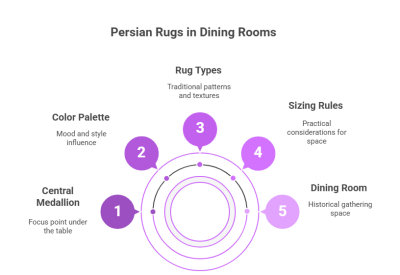
Infographic: Persian Rugs in the Dining Room
Conclusion
A dining room should feel both inviting and intentional. Persian Rugs help achieve that balance with quiet confidence. They bring history underfoot without feeling heavy. They support daily life while adding beauty that never feels forced.
From central medallion patterns to deep red and ivory and blue palettes, these rugs shape how a dining room feels long before a meal begins. They absorb sound, soften movement, and turn a simple table into a true gathering place.
While antique Persian carpets tell stories of the past, the ideas behind them still guide how we choose rugs today. Balance, durability, and thoughtful design remain just as important now as they were in the 19th century.
If you are drawn to dining rooms that feel grounded and timeless, exploring a well designed Persian rug can be a meaningful first step. Discover pieces inspired by tradition in our Traditional Persian Rugs Collection and imagine the elegance they can bring underfoot.
─ Related Articles ─
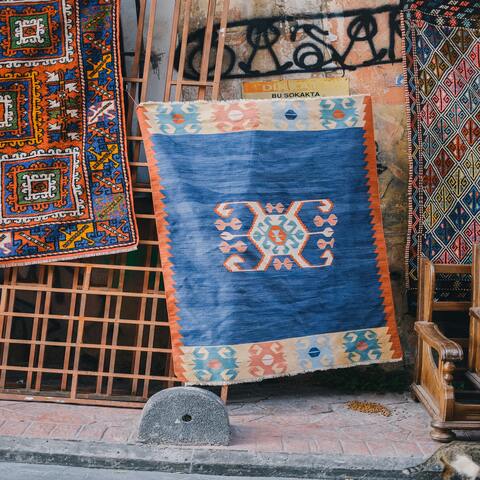
Persian Rug Runners for Hallways & Entrances
Discover how Persian rug runners transform hallways and entrances. Learn sizing, design, and layout tips...
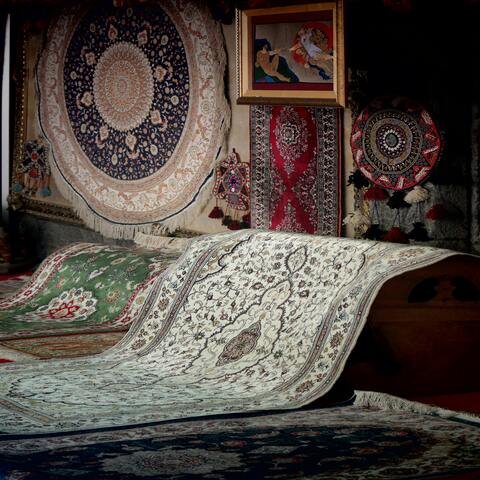
Green Persian Rugs: A Fresh Take on Traditional Style
Explore the beauty of Green Persian Rugs in traditional interiors. Find design tips and inspiration...
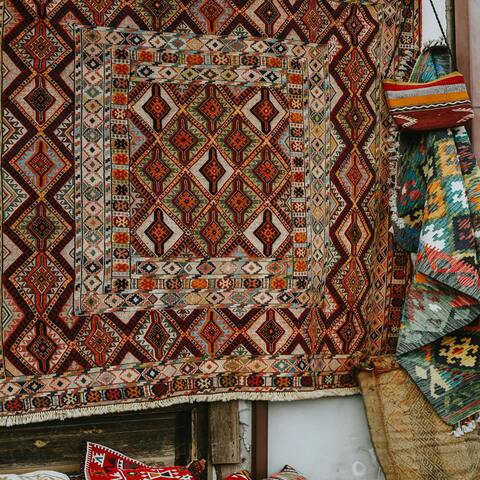
Vintage Persian Rugs: A Smart Long Term Investment?
Are Vintage Persian Rugs a smart long term investment? Discover how Persian Rugs, regional traditions,...
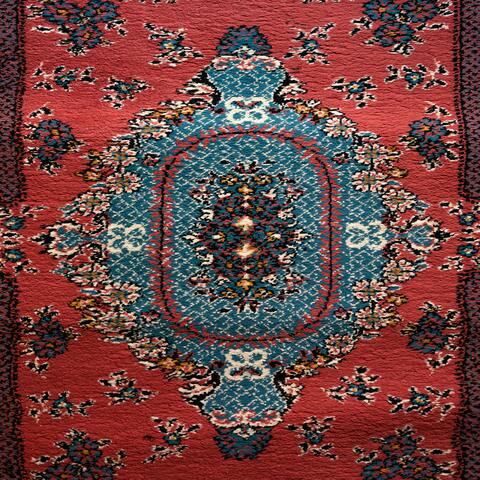
How to Choose the Perfect Large Persian Rug for Your Space
Learn how to choose the perfect large Persian rug for your home. Discover sizing, placement,...