
Trending
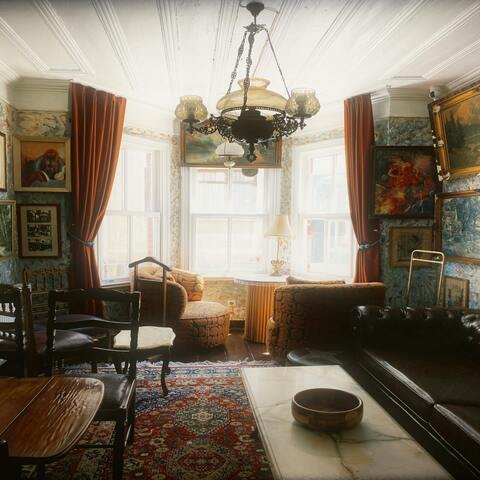
Discover the beauty of large area Persian rugs. Learn their history, design, and how oversized Persian rugs transform living rooms with elegance.
The Grand Beauty Beneath Your Feet
Picture stepping into a room where soft light touches every texture, and a beautiful rug tells its story beneath your feet. That’s the charm of large area Persian rugs.
These rugs transcend decoration, becoming the soul and essence of the spaces they inhabit. Each weave carries whispers of heritage and culture, making a home feel both grounded and grand. Whether in a modern loft or a classic sitting room, an oversized Persian rug draws the eye while keeping the space warm and inviting.
In many homes, especially living rooms, such rugs act as the anchor _ the visual and emotional foundation. With their expansive size, intricate patterns, and lasting beauty, these rugs turn empty floors into meaningful statements of artistry.
In this section, we explore the history, artistry, and design of expansive Persian rugs, revealing why these timeless pieces continue to captivate homeowners and collectors alike.
Powered by RedCircle
A Heritage Woven Through Time: The Origins and Cultural Significance
Persian rugs carry a history of over 2,500 years, with patterns as detailed and lasting as the stories they tell. Beyond serving a practical purpose, they are cultural treasures, works of art, and expressions of human creativity that have endured for centuries.
Whether in fragments unearthed from ancient tombs or in the finely crafted rugs exhibited in museums, Persian rugs embody centuries of devotion to beauty, harmony, and skilled craftsmanship. Each rug carried not just colors and knots but meaning symbols of faith, prosperity, and identity. To own one was to hold a piece of artistry that spoke a universal language of elegance.
In the grand courts of ancient Persia, these rugs covered the marble floors of kings and scholars. They served as gifts between empires, as wedding dowries, and as sacred pieces for prayer and celebration. As dynasties rose and fell, rug designs changed to reflect new tastes, yet they retained the essence of their heritage.
The rise of antique Persian rug design began in weaving hubs that became legendary: Tabriz, Kashan, Isfahan, and Herat. Each of these cities produced rugs that bore the mark of their region’s heart and soul.
Tabriz weavers focused on delicate symmetry and precision. Kashan artisans favored lavish medallions and floral motifs. Isfahan perfected fine lines and luminous silk textures, while Herat celebrated bold geometric patterns that reflected tribal pride.
Each pattern conveyed a tale. The blooming flowers represented the eternal garden a paradise within reach. The medallion symbolized unity and balance, often likened to the cosmos itself. And the borders always deliberate represented protection, holding the beauty within and keeping chaos without.
But beyond artistry, the large area Persian rugs of centuries past were declarations of stature. The larger the rug, the greater its prestige. A rug that spanned a whole hall did more than show affluence it expressed sophistication and continuity of culture. Royals, nobles, and scholars alike understood that a great rug didn’t merely decorate a space it defined it.
Artisans spent months, sometimes years, weaving these rugs, dedicating their lives to perfecting the craft. In workshops and homes, generations worked side by side. Mothers taught daughters, masters guided apprentices, and every knot reflected both skill and dedication.
Even a single mistake in the pattern could disrupt a rug’s harmony. For this reason, weavers often prayed before beginning, trusting that their patience and care would honor both the art and its spirit.
As European merchants came across these creations at the height of the Silk Road, Persian rugs became treasured across continents. Palaces in France, Italy, and England displayed them as symbols of exotic luxury. Artists of the Renaissance and Baroque periods often portrayed these rugs beneath nobles’ feet or over tables, immortalizing their artistry in European paintings.
Yet even as their fame spread, their heart remained distinctly Persian. Each carpet was and remains a woven manuscript of memory, history, and emotion. The weavers, though often anonymous, expressed through color and thread what poets conveyed through verse. In that sense, every rug is both a poem and a portrait of its maker, its homeland, and its era.
Even as modern makers introduce bamboo silk and new finishing methods, the cultural spirit of these rugs endures. You’re walking across the same artistic principles that once adorned royal courts and sacred spaces. The artistry that defined antique Persian aesthetics still breathes through every curve, vine, and border.
While contemporary artisans have introduced bamboo silk and modern finishing methods, the timeless spirit of these rugs continues to thrive. To own or even simply appreciate a large area Persian rug is to connect with that lineage, to celebrate a world where craftsmanship and meaning are inseparable.
These rugs endure because they hold something eternal: the balance between grandeur and grace, between history and modernity, between what is seen and what is felt. Each thread is a whisper from the past, inviting you to be part of a story that continues to unfold right beneath your feet.
Iconic Styles in Large Area Persian Rugs
| Region | Design Features | Common Motifs | Color Palette |
|---|---|---|---|
| Tabriz | Detailed medallions, fine symmetry | Floral vines, arabesques | Rich reds, creams, blues |
| Kashan | Central medallion with elaborate borders | Palmettes, lotuses | Deep reds, ivory, navy |
| Isfahan | High-precision weaving, silk-like sheen | Gardens, domes, nature | Blues, greens, ivory |
| Heriz | Bold geometric designs | Angular medallions | Rust, indigo, gold |
Table: Iconic Styles in Large Area Persian Rugs
The Design Language of Grandeur
Every oversized Persian rug tells a story not just through its patterns, but through its proportions. The generous dimensions allow artisans to express layered motifs, balanced symmetry, and a rhythm that smaller rugs can’t achieve.
Color and Symbolism
Colors in large area Persian rugs carry emotional weight. Red often signifies energy and life, blue conveys peace, green represents nature, and gold evokes wealth and prosperity. Together, these shades harmonize to form compositions that feel regal yet comforting ideal for living rooms or spacious lounges.
Patterns That Speak
Designs in antique Persian style are never arbitrary. Medallions often symbolize the universe’s center, while floral patterns express eternal beauty. The borders meticulously crafted signify protection and wholeness, creating a sense of containment and harmony.
Top 5 Design Elements That Define Oversized Persian Rugs
- Central Medallions _ The heart of the rug, symbolizing balance and cosmic order.
- Detailed Borders _ Layered guard lines representing protection and infinity.
- Floral Motifs _ Inspired by Persian gardens, evoking nature and renewal.
- Color Harmony _ Rich hues blended to create warmth and emotional depth.
- Scale and Proportion _ Expansive weaves that transform vast spaces into intimate sanctuaries.
Each of these elements makes oversized Persian rugs works of living art adaptable to both traditional interiors and modern minimalism.
Afra Rugs’ Traditional Persian Rugs Collection captures this legacy through contemporary craftsmanship, offering modern bamboo-silk rugs inspired by the timeless beauty of antique Persian artistry.
Choosing the Right Fit: Scale, Space, and Storytelling
A rug should never feel like an afterthought especially when it spans an entire living room. The right large area Persian rug connects every piece of furniture into a cohesive whole, grounding the space with elegance.
Scale Matters
When selecting a rug, proportion is key. An 8×10 (Large) rug fits medium-sized rooms beautifully, while a 9×12 (Large) rug enhances open-concept spaces, dining areas, or great rooms. These dimensions allow the rug’s design to unfold gracefully without appearing crowded.
The Living Room Canvas
Think of your living room as a painting the rug is its canvas. Sofas, tables, and décor elements rest upon a field of artistry that ties everything together. An oversized Persian rug softens acoustics, adds warmth, and instantly elevates the mood.
Personal Expression
Your rug tells your story. Some choose muted patterns for serenity, others prefer vivid hues for energy. Whatever your preference, the grandeur of a large area Persian rug ensures your space feels both personal and timeless.
Enduring Value and Emotional Connection
Beyond color or design, these rugs endure because they connect people across generations. They are more than textiles they are silent storytellers. Families gather, children play, and memories form atop them.
Even modern reinterpretations of antique Persian designs carry this spirit forward. The artistry is not merely seen; it’s felt in the way light interacts with silk like fibers and in how each motif reveals something new over time.
If you’re drawn to timeless beauty that defines your home’s heart, explore our Traditional Persian Rugs Collection where classic grandeur meets modern craftsmanship.
Frequently Asked Questions About Large Area Persian Rugs
1. What makes large area Persian rugs so special?
Their scale allows artisans to express complex designs with clarity and grandeur. A large area Persian rug transforms a room into a cohesive, artful space filled with cultural history.
2. Are oversized Persian rugs suitable for modern living rooms?
Absolutely. Oversized Persian rugs anchor minimalist rooms, add cozy warmth to open spaces, and harmonize with modern or traditional décor.
3. How do I care for a large area Persian rug?
Carefully vacuum without beater bars. Turn the rug periodically to even out wear. Keep it away from prolonged sunlight to preserve its colors and luster.
4. What distinguishes antique Persian designs from modern ones?
Antique Persian rugs showcase handwoven wool and natural dyes, whereas modern creations, including Afra Rugs’ pieces, bring these motifs to life in bamboo silk, maintaining artistic tradition through contemporary means.
5. Do larger rugs make a room look bigger?
Yes_surprisingly so. A large rug can make a room feel more open, adding harmony and a natural flow, especially in spacious living or dining areas.
Conclusion: A Legacy That Lives On
Spanning historic palaces to contemporary living spaces, large area Persian rugs remain enduring icons of elegance and heritage. Their grandeur lies not only in their scale but in the craftsmanship that bridges centuries of artistry.
From serene retreats to sophisticated living rooms, these rugs offer a journey through history, revealing stories crafted with devotion.
Discover a lasting legacy in our Traditional Persian Rugs Collection a masterpiece that combines timeless beauty with personal meaning.
─ Related Articles ─
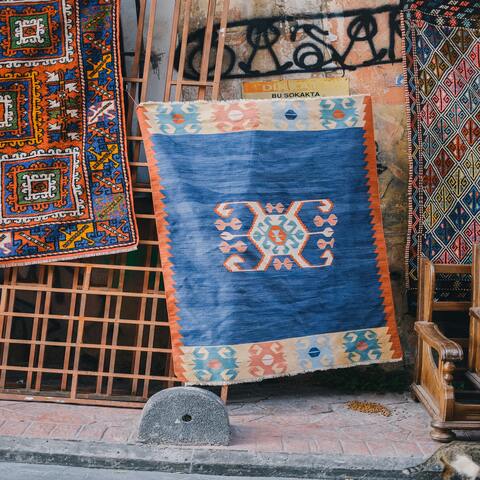
Persian Rug Runners for Hallways & Entrances
Discover how Persian rug runners transform hallways and entrances. Learn sizing, design, and layout tips...
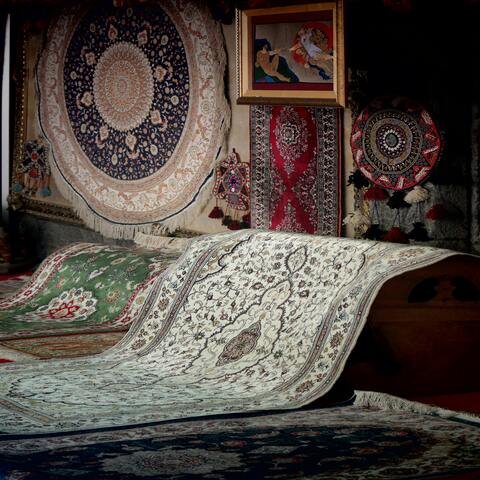
Green Persian Rugs: A Fresh Take on Traditional Style
Explore the beauty of Green Persian Rugs in traditional interiors. Find design tips and inspiration...
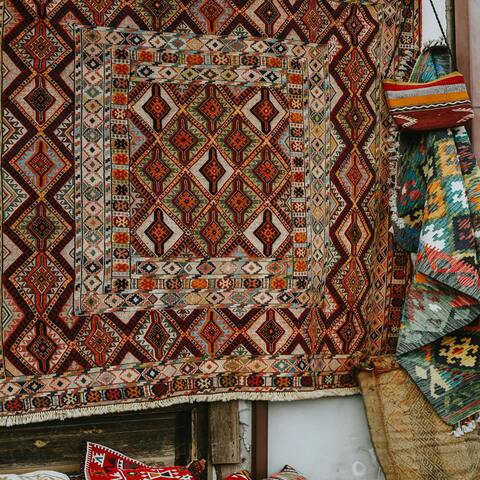
Vintage Persian Rugs: A Smart Long Term Investment?
Are Vintage Persian Rugs a smart long term investment? Discover how Persian Rugs, regional traditions,...
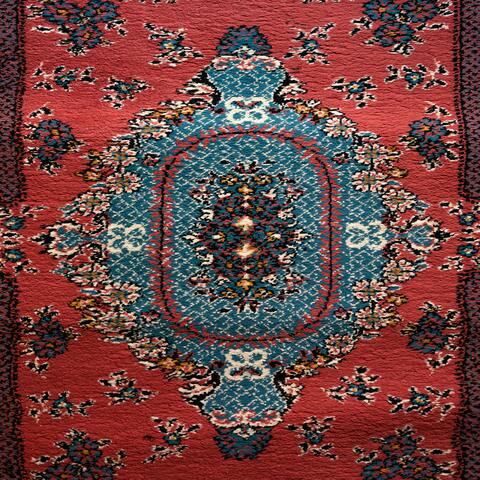
How to Choose the Perfect Large Persian Rug for Your Space
Learn how to choose the perfect large Persian rug for your home. Discover sizing, placement,...